Wednesday, 18 February 2015

Best ways to manage stress


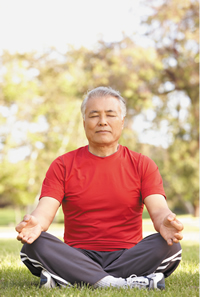
 Meditation can trigger the     antidote to stress, called the relaxation response
Goal setting and relaxation techniques reduce stress and ease the physical and emotional burden
it can take.
Stressful experiences come in many forms, such as a demanding job, a chronic disease, or an argument with a loved one. But all types of stressors—even stress from positive experiences,
such as planning a party—can result in the same physical and emotional burden on health, especially when you’re an older adult. “As we age, our immune systems are less efficient, and adding stress to that can lead to disease progression or the onset of disease,” says Dr. Ann Webster, a health psychologist at the Benson-Henry Institute for Mind Body Medicine at Harvard-affiliated Massachusetts General Hospital.

The stress response

Stressful situations trigger a physical reaction known as the stress response. The brain relays warnings to the muscles, which tighten, and to the adrenal glands, which release stress hormones such as adrenaline and cortisol. These hormones help your body prepare to fight or flee to safety: your heart pounds, blood pressure rises, and more of your blood is sent to your brain and muscles; your breath quickens to get more oxygen into your blood; and your body releases sugars and fats into the blood for energy.
In the short term, the stress response can help you navigate a difficult situation. But chronic stress can lead to physical damage. “Stress increases blood sugar and can make diabetes worse. It can create high blood pressure and cause insomnia. It can also make people become anxious, worried, depressed, or frustrated,” says Dr. Webster. Chronic stress also increases the risk of heart disease, heartburn, and many other health problems.

Recognizing stress

Symptoms of stress can take many forms. Stress may cause physical complaints, such as tension headaches, back pain, indigestion, or heart palpitations. It may appear as cognitive problems, such as poor concentration and indecisiveness. Emotional symptoms of stress include crying, irritability, and edginess. And stress can also show up as negative behaviors. “Driving a car too fast, overeating, or smoking can all be behavioral symptoms of stress,” says Dr. Webster.

Managing stress

The first step toward reducing stress is learning what your triggers are. “If you know what pushes your buttons, then avoid it. But there are stresses we have to accept, so we must change our reactions to them,” explains Dr. Webster. She offers the following ways to reduce or manage stress:
  • Relaxation techniques. These are activities that trigger the relaxation response, a physiological change that can help lower your blood pressure, heart rate, breathing rate, oxygen consumption, and stress hormones. You can achieve this with activities such as meditation, guided imagery, yoga, and deep breathing exercises.

  • Cognitive behavioral therapy (CBT). CBT is based on the idea that changing unhealthy thinking can change your emotions. A CBT therapist will help you identify negative thinking and learn to automatically replace it with healthy or positive thoughts.

  • Goal setting. “When people set goals for themselves, they have a positive sense of commitment, feel they’re in control, and are optimistic,” says Dr. Webster. She recommends setting goals in your career, relationships, creativity, play, and health. 

     Source: Harvard Health Publications

Friday, 13 February 2015

How to Rid Yourself of Belly Pooch Forever


Clean eating and hitting the gym can help you reach your weight-loss goal, but you might find you have a little extra pooch around your midsection. Here are three things you can do to help you achieve a trimmer belly.

When Eating
Take an honest look at your diet and your bathroom schedule. Your belly might not be caused by fat but by air trapped in your digestive system. If you're not getting enough fiber (you need 25 to 30 grams a day), constipation can cause bloating. On the other hand, overdoing it on fiber or eating too many gas-producing foods like broccoli, apples, or beans can also make your belly pooch a bit. Thankfully, there are also foods you can eat—like blueberries—that are proven to diminish belly fat.


When Doing Cardio
Studies show that including interval training in your cardio sessions is proven to diminish stomach fat. If you find that you normally stick to a consistent pace when running, biking, or swimming, mix it up by adding 10- to 60-second, fast-paced or sprinting intervals. High-intensity interval training (HIIT) works on the same principle as intervals, where you push to your maximum training for a period of time and follow up with a shorter rest period. 


When Strength Training
Basic crunches can help tone your abs, but they only target certain abdominal muscles. Incorporate full-body exercises like variations of plank or core moves using a ball. Also, try using different types of equipment.


Source: POPSUGAR Fitness

Friday, 6 February 2015

Whole foods: the nutritional benefits of avocado pear


Avocado is a concentrated fruit with high nutritional and caloric capacity. It is among the richest fruits in fat. 

The fat in avocados are of high biological value and are primarily unsaturated and contain no cholesterol.

They contain vitamin E which promotes reproductive functions, a powerful antioxidant that protects against cancer and cellular aging.
They are also rich in vitamin B6, iron, fiber and protein.

When Avocado is used in place of cheese and cream in salads, the result is a significant reduction in calories, saturated fat, cholesterol and sodium.

Enjoy your avocado pear in place of butter as a healthy alternative.

Wishing everyone a fabulous weekend!


Wednesday, 4 February 2015

World Cancer Day 2015


Not Beyond Us

This year the theme of World Cancer Day is “Not Beyond Us,” to emphasize that solutions exist and are reachable. The campaign’s goal is to implement what is already known in the areas of cancer prevention, early detection, treatment, and care.

In many countries, cancer carries a stigma that makes it harder for people to get accurate information about the disease. World Cancer Day 2015 has identified 4 main areas for education and action:

- Choosing healthy lives: Healthy lifestyle choices can lower the risk for cancer. They include avoiding tobacco, limiting alcohol consumption, eating right, getting plenty of exercise, and staying away from the sun and other sources of UV rays.

- Early detection: For many cancers, there are warning signs and symptoms and the benefits of early detection are indisputable.

- Achieving treatment for all: All people have the right to access proven and effective cancer treatments and services on equal terms, and without suffering hardship as a consequence.

- Maximizing quality of life: People with cancer and their caregivers deserve high-quality, compassionate care during treatment and survivorship. This includes care for the emotional, mental, and physical effects of cancer.

Wednesday, 28 January 2015

Getting your diet and lifestyle on track this New Year


- Clean out your fridge and cupboard of all tempting treats in sight and snack foods. Keep all healthy foods you need and trash all the temptations.

-  Drink plenty of water : The body is composed of 60% water, it is important for your general health.

- Do not skip breakfast: Eating breakfast reduces the amount of food you eat for the rest of the day.

- Avoid late and heavy dinner : No food 8pm-8am rule. Having 12hour break without food overnight may help you to lose weight.

- Base a meal a day on vegetable : A vegetable juice to start your day or a large salad for lunch or a vegetable soup for dinner, you will be dropping 200-300 calories if you had a vegetable based alternative to replace a one meal which supports 0.5 to 1kg weight loss per week.

- Keep it moderate : Go easy on your food portions. Eat moderately, make your portion size reduced.

- Exercise: By simple act of creation, the human body is designed for movement in order to function at its optimal level.

Monday, 19 January 2015

Hi Everyone!!!

Happy New Year to our dear esteemed readers and fans. Wishing everyone a super healthy 2015.

To begin the year, Diet365global will be helping five lucky winners get their sexy bikini body back this year 2015, to qualify send a picture of your of current weight to diet365global@gmail.com

NB: Location of residence should be Abuja. Thanks

Wednesday, 10 December 2014

Smokey Chicken Wings


Recipe

8 Chicken Wings
4 Cloves Garlic
1 tablespoon Dry Pepper( less quantity if you like mild hot)
1 handful Parsley ( about the size of 1/2 a computer mouse)
1 finger Fresh Ginger( size of your middle finger)
2 Seasoning Cubes
Salt to taste
1-2 cooking spoons Vegetable oil

Method
1, Rinse the chicken wings, sprinkle on about 1/2 teaspoon salt, and put in a strainer to drain out the water
2, Blend the garlic, ginger, pepper, parsley, oil seasoning into a smooth paste. You may wish to drop a little water to help grind the seasoning mix into a smooth paste.
3, Pour paste over chicken and rub in thoroughly and leave to marinade for about 1 hour.
4, Heat oven about 10 minutes before chicken is ready to go into oven
5, Place Chicken on oven racks and roast for about 40 – 45 minutes or until brown and cooked through.


Cooking Tips:
1, You may need  to sprinkle the rest of the seasoning mix left in the bowl on top of the chicken as it roasts.
2, Turn the chicken half way through roasting so it browns well on all sides
3, As this cooking is a smokey affair, keep doors from the kitchen to the rest of the house closed so the whole house is not smelling smokey
4,To prevent your hair taking up the smoke also, tie a scarf to cover your hair whilst checking the chicken in the oven.

 Source: 1Q's Food Platter