Wednesday, 22 July 2015

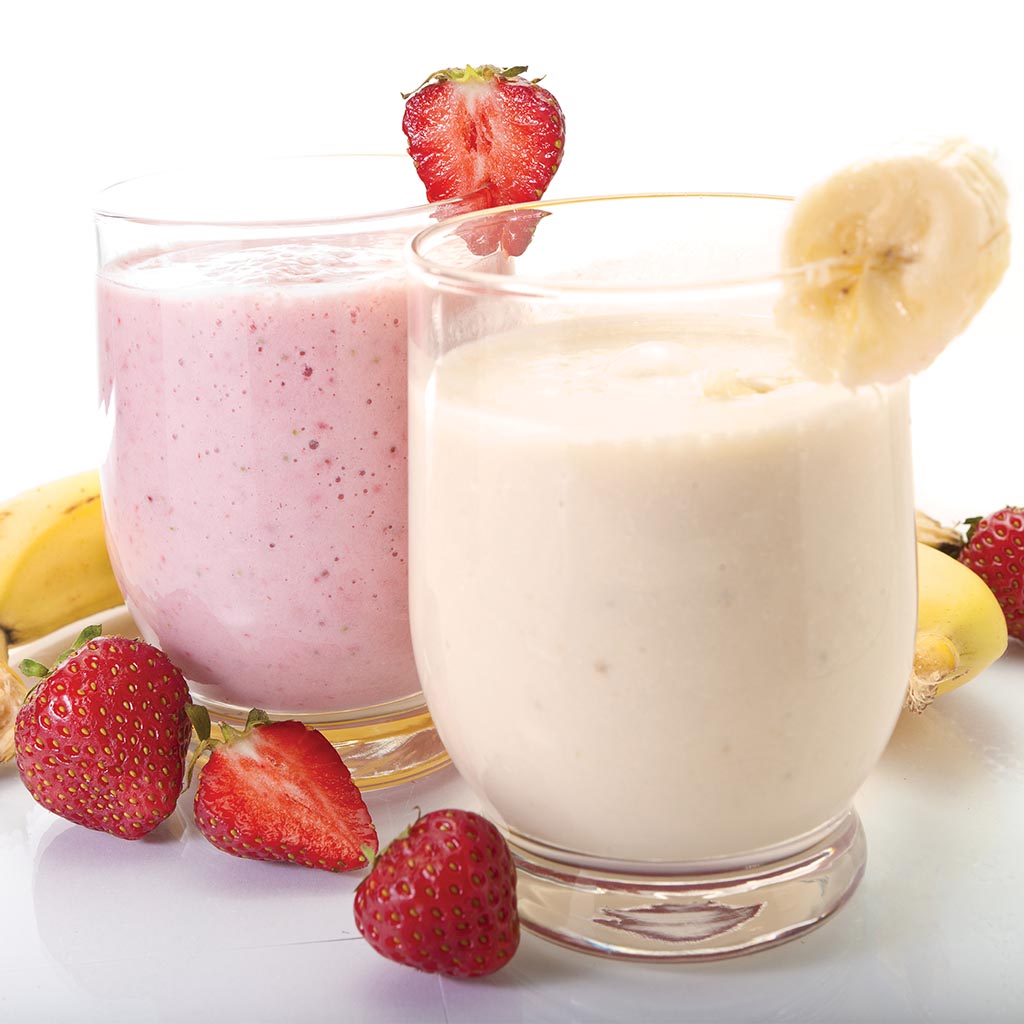
Recipe Wednesday: Banana Berry Wake-Up Shake


Makes 2 servings

This creamy shake, which can be made the night before, is a great way to use up ripe bananas that have been frozen. When bananas start to get brown, pop them in the freezer and take out as needed.

Ingredients
1              banana                                                      1 

1 cup     fresh or frozen berries (any combination)  250 mL

1 cup     milk or vanilla-flavored soy beverage      250 mL

3/4 cup lower-fat vanilla yogurt (or other flavor that complements berries)                                                                    175 mL

Instructions


Step 1
In a blender, liquefy fruit with a small amount of the milk. Add remaining milk and yogurt; blend until smooth. If shake is too thick, add extra milk or soy beverage to achieve desired consistency.

Tuesday, 21 July 2015

Whole food nutrition: nutritional benefits of red beet


The blood red color of beets gives a cheerful note to salad and potato dishes. They are rich in folate, potassium, iron, magnesium, fiber and other important nutrients.

- Beets are anti-anemic.  Drinking 50 – 100ml of raw, freshly prepared beet juice before meals twice a day provides the greatest anti – anemic effect.

- They have an alkalizing effect on the blood. They are highly recommended in case of gout, increase in uric acid levels in the blood.

- They contain vegetable fibre, which facilitates intestinal action, and also decreasing blood cholesterol level.
They are anticarcinogens. 

Preparation and use

-- Fresh Juice: The flavor of beet juice is unpleasant and may be mixed with other juice.

- - Grated raw: Beets prepared in this way may be dressed with lemon and oil.

- - Boiled: Cooked beets are more digestible. They should be boiled for at least an hour

Thursday, 16 July 2015

Lose 20 Pounds: Successful Strategies

Here are four diet truths to help you achieve your goals:

  • Cutting out sweet drinks is non-negotiable. Sweet tea, soda, and flavored and sweetened milks, waters, and coffees all have to go. Drink plain water, low-fat milk, and sugar-free drinks instead. A study of 810 adults between 25 and 79 years old showed that after 18 months, those who cut out sweet drinks had greater weight loss than those who cut down on food calories. One possible reason: While your body lets you know when it is full of food, there is no way for your body to tell you when you’ve maxed out on liquid calories.
  • Physical activity helps counting calories. Being physically active burns calories while it improves your overall health. Aim for 30 minutes a day most days of the week. A brisk 30- to 45-minute walk burns 100 to 200 calories. If you can burn 200 calories through exercise, you only have to cut out 300 calories in food or drink to reach your daily calorie-cutting goal.
  • Strategically eating less drops weight. A study of 811 overweight people who participated in four popular diets found that whether diets were low-fat, high-protein, or a combination didn’t matter — weight-loss success depends on cutting out calories. In fact, you can continue to eat filling portions if you simply replace high-calorie foods with low-calorie foods that contain a lot of water, such as fruits and vegetables. A study of 97 obese women who ate either a low-fat diet or a low-fat diet with additional fruits and vegetables found that those who emphasized fruits and veggies lost up to five pounds more.
  • Journaling leads to success. Counting calories is easier if you write down (or type in) what you eat, including serving sizes and details such as condiments you may have added. “Research has shown that exercise and journaling really make a difference in long-term weight management,” says Gail Curtis, assistant professor at Wake Forest University Health Sciences in Winston-Salem, N.C. A detailed journal will help you identify your successes and pinpoint where you can cut additional calories or replace high-calorie foods with low-calorie ones.
With dedicated work you can apply these truths to lose 20 pounds in 20 weeks or less. So get moving!

Source: everydayhealth.com

Wednesday, 15 July 2015

Recipe Wednesday: Spinach and Uziza Seafood Eforiro by 1Qfoodplatter


 Recipe

Ingredients

1 cup dressed Shrimps

4-6 pieces dressed Crab

4 cups cut and blanched fresh Spinach

1/2 cup shredded Uziza leaves

2 cooking spoons ground and boiled Tomatoes

1 cooking spoon coarsely ground onion/ pepper mix

1 teaspoon Iru

3 cooking spoons Palm oil

1 tablespoon Crayfish

Beef seasoning to taste

Salt to taste


Method

  • Pick, wash and cut the Spinach into medium size chunks. Boil enough water to cover the leaves. Pour boiling water over the spinach ensuring that all the leaves are well steeped in the water for about 1 -2 minutes. Quickly drain out the hot water and steep vegetables in cold water. Drain off the cold water, squeeze out excess water in the spinach and set aside. You will notice a bit of slime as you squeeze, so press hard to get rid of some of the slime. Do not worry about the slime because it does not appear like this in the soup.
  • Pick wash and shred the Uziza leaves and set aside. You shred into very thin slices like you will do for Okazi or Afang
  • Heat the palm oil, fry the onion/peppermix first and then add the tomato, crayfish, Iru, seasoning and salt to taste. Allow to fry until the water in the tomato mix is dry.
  • Add the seafood, lower the heat and allow to cook till done.
  • Take out the shrimps, add first the Uziza and allow to cook for about 2 minutes. Add the spinach last stir to mix well and allow to cook for about 2 minutes. Return the shrimp to the pot, stir well cook for 1 more minute and the Spinach and Uziza Seafood Eforiro is ready.

Tuesday, 14 July 2015

Cabbage


Cabbage is a cruciferous vegetable that is beneficial for almost all conditions! It is a very good source of vitamin C and beta-carotene (especially Chinese and red cabbage), antioxidants that help prevent and manage arthritis and macular degeneration, heals ulcer and maintain healthy skin and hair. Because it’s super-low in calories, cabbage is a good food for people looking to lose weight. Red cabbage is rich in quercetin, an anti-inflammatory antioxidant that may help prevent arthritis and age-related memory loss. 

Preparation and use

Raw: Fresh leaves, finely shredded and seasoned with oil (preferably olive oil and lemon makes an excellent salad).

Fresh juice: This is prepared in the blender. Two or three spoonful’s to half a glass on an empty stomach before each meal three or four times a day.

Cooked: Cabbage should be cooked carefully to protect its medicinal properties. Sulfurous phytochemicals are heat sensitive, and disappear with prolonged cooking. The optimal cooking method is steaming.

Saturday, 11 July 2015

5 Power Foods That Can Help You Drop a Size


Want to lose five pounds the healthy way? Put these five power foods on your plate, and eat your way to a smaller size.

1. Salmon
This rich protein has the power to fill you up, thanks to plenty of healthy fats that also pack metabolism-boosting omega-3's.
2. Cucumbers
More than 90 percent water, cukes are great for beating bloat or when you want a crunchy snack for next-to-no calories.

3. Strawberries
A recent study found that munching on these berries instead of other sweets led people to eat an average of 134 fewer calories at their next meal.

4. Hazelnuts
The smoky nuts are loaded with monounsaturated fats that can help blast belly blub. They also contain ample fiber, folate, and potassium.

5. Eggs
Two have nearly a quarter of the satiating protein you need in a day—one reason research shows that eating eggs in the a.m. = eating less all day long.

Source: womenshealthmag.com